Subscribe to our newsletter.

October 1, 2026
Methane from Cattle Manure Part 2 of 3: Mitigation of Feedyard Emissions
Rick Stowell, Extension Specialist, University of Nebraska-Lincoln Biological Systems Engineering; Galen Erickson, Nebraska Extension Beef Feedlot Specialist; Kortney Harpestad – UNL Animal Science Extension Program Associate

September 1, 2026
Manure as a Source of Methane Emission: Part 1 of 3
Rick Stowell, Extension Specialist, University of Nebraska-Lincoln Biological Systems Engineering; Galen Erickson, Nebraska Extension Beef Feedlot Specialist; Kortney Harpestad – UNL Animal Science Extension Program Associate
June 1, 2026
Part 6 of 6: Are There Methane Mitigation Strategies for Cattle?
Galen Erickson, Nebraska Extension Beef Feedlot Specialist; Matt Spangler, Professor and Beef Genetics Extension Specialist; Samodha Fernando – UNL Rumen Microbiologist; Rick Stowell, Extension Specialist, University of Nebraska-Lincoln Biological Systems Engineering; Paul Kononoff – UNL Dairy Specialist; Rick Rasby, Retired Nebraska Extension Specialist; Kortney Harpestad – UNL Animal Science Extension Program Associate
May 1, 2026
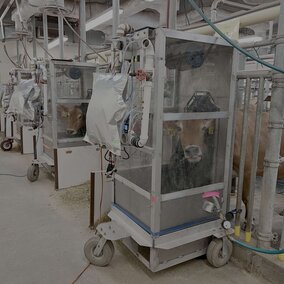
How is Methane from Cattle Measured? Part 5 of 6
Tami Brown Brandl – UNL Professor of Biological Systems Engineering; Rick Stowell, Extension Specialist, University of Nebraska-Lincoln Biological Systems Engineering; Rick Rasby, Retired Nebraska Extension Specialist; Kortney Harpestad – UNL Animal Science Extension Program Associate
April 1, 2026
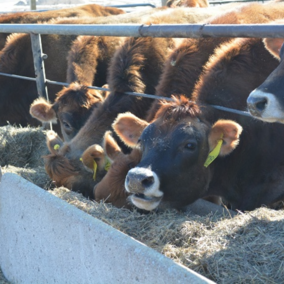
Part 4 of 6: How and Why is Methane in Cattle Produced
Samodha Fernando – UNL Rumen Microbiologist; Rick Rasby, Retired Nebraska Extension Specialist; Kortney Harpestad – UNL Animal Science Extension Program Associate
March 1, 2026
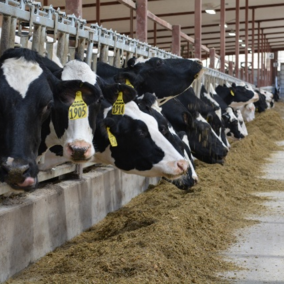
Part 3 of 6: What are Cattle’s Contributions to Greenhouse Gases?
Galen Erickson, Nebraska Extension Beef Feedlot Specialist; Paul Kononoff – UNL Dairy Specialist; Rick Rasby, Retired Nebraska Extension Specialist; Kortney Harpestad – UNL Animal Science Extension Program Associate
February 1, 2026
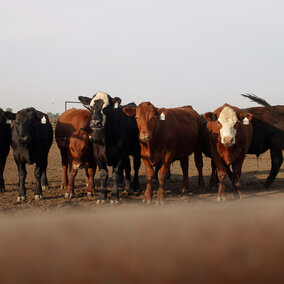
Part 2 of 6: What Research has the University of Nebraska Conducted on Methane Production in Cattle?
Galen Erickson, Nebraska Extension Beef Feedlot Specialist; Paul Kononoff – UNL Dairy Specialist; Rick Rasby, Retired Nebraska Extension Specialist; Kortney Harpestad – UNL Animal Science Extension Program Associate
November 11, 2024
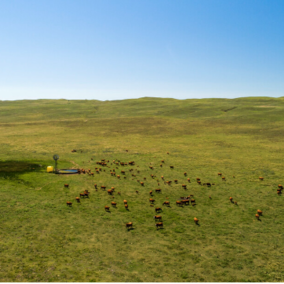
UNL commits $5 million to better measure environmental impact of cattle
Maria Tibbetts, University of Nebraska-Lincoln Beef Communications Specialist