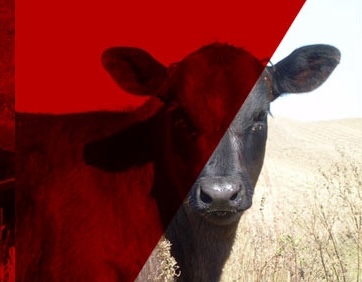
Methane from cattle operations can raise concerns due to methane’s role as a greenhouse gas (global concern) and its flammability (farm safety concern). Cattle produce methane naturally as ruminants and emit this methane into the surrounding air. Cattle also excrete undigested feed and microbial energy in feces, and the resulting manure remains a food source for microbes outside of the animal. Manure kept in environments that support anaerobic microbes, which thrive without air, will produce methane. Manure that has more exposure to air (aerobic environment), on the other hand, likely generates little or no methane.
On livestock farms, practical factors that promote anaerobic microbial activity in [and methane generation from] manure include retaining moisture and organic matter, increasing storage depth relative to the exposed surface area, longer storage duration, and warmer storage conditions. With these factors in mind, one can classify or scale expected manure-based methane emissions on a relative per-head basis over a spectrum of operations.
Very low:
- Rangeland or pasture
- Open lots that persistently function as drylots, including ponds for holding runoff [assuming sediment basins are used to limit solids entry]
- Dry, well-bedded, lightly stocked areas within barns
Intermediate:
- Manure that is frequently collected and composted or otherwise treated to increase porosity and/or stabilize carbon prior to storage
- Open lots where manure regularly builds up and stays moist, or where entry of manure solids into runoff holding ponds is not properly controlled
- Bed-pack barns and other bedded areas where moist manure builds up and/or is stored
- Aerobic treatment lagoons or aerated liquid manure
- Liquid manure that has had a substantial fraction of organic solids removed prior to storage
Relatively high:
- Deep-pit, slatted-floor barns and other facilities where manure is stored as a slurry
- Liquid manure storage facilities
- Anaerobic treatment lagoons
In general, as a cattle production system becomes more intensive with a higher stocking rate, it becomes appealing to manage manure in a more-liquid, pumpable form, which often leads to more methane being generated and emitted. Since most beef cattle are still raised outdoors, manure-based methane emissions are small compared to the [enteric] methane produced directly by ruminal activity of the animals. This also helps explain why manure-based methane emissions make up a much lower share of total emissions in beef production than for dairy production – where cattle are more commonly housed in barns where manure is managed as a liquid.
Consider an operation that transitions from open drylots to raising cattle under roof in a conventional cattle barn. While the land footprint [emitting area] is reduced, the change to a more-anaerobic manure system will likely increase production and emission of methane from manure. Unless animal productivity improves dramatically, which is unlikely for beef cattle, a reduction in unitized enteric emissions will not be enough to offset higher manure-based emissions. This illustrates a challenge, where facilities and practices that have desirable benefits for nitrogen conservation, water quality, animal management, etc. can have negative, unintended consequences.
Some other factors contributing to manure-based methane emissions include:
- More and/or larger cattle require more feed, generate more manure, and lead to more enteric and manure-based methane production, although system efficiencies could result in reduced emissions per pound of beef.
- Feeding more than optimal levels of low-quality, lower-digestibility feedstuffs should result in reduced animal performance and more feed energy lost to manure, both of which can lead to increased methane emitted per unit of product.
- Lower-performing cattle – whether due to genetics, management practices, environmental factors, or other reasons – generally lead to more animals required, more feed fed, more manure generated, and more methane emitted to produce the same amount of product.
Parts 2 and 3 of this series address mitigation of manure-based methane emissions and opportunities in capturing methane from manure, respectively. For more information related to cattle and methane visit https://beef.unl.edu/research/cattle-methane-project/.
Topics covered:
Backgrounding & feedlot, Cattle & the environment, Manure management, Greenhouse gases