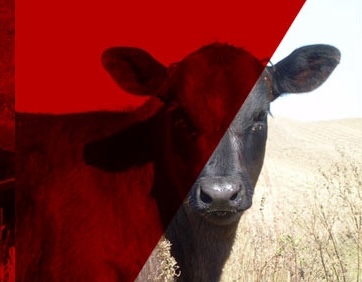
Heat stress is often talked about with feedlot cattle, but animals on pasture can be at risk too. All livestock can struggle when high temperatures, humidity, low wind, and warm nights stack together.
During a heat wave, water is the first place to start. During hot weather, livestock water demand can increase quickly. Check water sources before a heat event, not after animals are already stressed. Make sure tanks are clean, water flow is adequate, and animals have enough space to drink without crowding. Weak flow or limited tank space can lead to bunching, and bunching adds heat.
Shade can help, but only if it is used well. Natural shade from trees can be valuable, but it can also concentrate animals in one area. If shade is limited, cattle may bunch tightly, reduce airflow, damage grass, and avoid grazing. When possible, make sure water, shade, and grazing areas are not pulling livestock into one small spot during the hottest part of the day.
Air movement is also important. Wind helps animals cool themselves. Pastures with draws, heavy tree cover, or low areas may have less airflow, especially on still, humid days. Watch where animals are spending time and whether they have room to spread out.
Fly control also plays a role. Flies and other pests can cause cattle to bunch, stomp, and stand instead of grazing or resting. Good fly control will not eliminate heat stress, but it can reduce one more reason animals crowd together.
Finally, avoid handling, hauling, or rotating livestock during the heat of the day. If animals need to be moved or worked, do it early in the morning and keep it quiet and low stress.
Signs of heat stress include open-mouth breathing, heavy salivation, restlessness, bunching, and crowding around water or shade. Once severe signs appear, options are limited.