To view the webinar recording of "Confinement Feeding Cow-Calf Pairs" by Karla Wilke, click here.
Whether confinement feeding of beef cows is part of a cropping and livestock integrated system, or if cows have been displaced due to drought or fire, there are several key concepts to keep in mind when breeding season occurs in confinement.
Housing Considerations for Breeding in Confinement
Bunk or feeding space needs to be about 2 feet for cows and bulls and about 1 foot for calves. This is especially true if a nutrient dense, limit-fed ration is being used. Feedlot pens are not the only place cow-calf pairs can be confined. Producers may also be able to use fallow ground, pivot corners, or calving pastures. However, a minimum of 500 ft2 per pair is recommended. When possible, it is also recommended that calves have their own loafing space inaccessible to the cows. This reduces exposure to pathogen loads, may provide shade or wind protection, and during breeding season can shield calves from getting stepped on.
Feeding for Breeding
Lactation is a huge energy drain on the cow. Feeding a diet similar to what the cow received during gestation will not meet her needs, causing her to draw from her energy reserves to feed her calf, and thereby decrease her chances of rebreeding. A lactation diet similar in intake and quality to green grass is needed. Additionally, the calf is beginning to eat forages, so extra feed needs to be provided to ensure the calf is not eating feed that was assumed to be for the cow, thereby causing her to lose body condition.
Due to the size of mature bulls, the growth requirement of young bulls, and the activity level during the breeding season, bulls also need a high-quality diet. Maintaining bulls in a body condition score of 5 or 6 on a 1-9 scale helps keep them healthy and productive. Producers needing assistance with ration balancing for confined cow-calf pairs during the breeding season can contact the Nebraska Extension beef team.
Artificial Insemination or Synchronization with Bull Breeding
One positive aspect of maintaining cows in confinement is that they may be in close proximity to working facilities providing an opportunity to employ artificial insemination (A.I.) or allow producers to tighten the calving window by synchronizing cows while still using natural service. Protocols for both A.I. and synchronized natural service should be followed carefully: Protocols | Beef Reproduction Task Force.
Bull Housing and Management
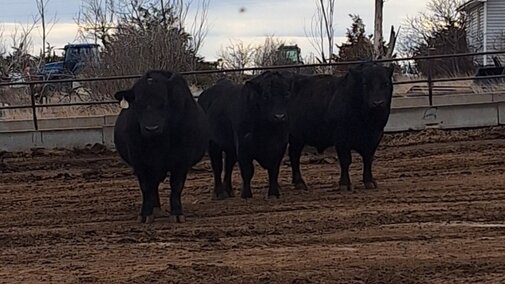
Older bulls tend to dominate the breeding season, and this can be especially true in confinement. If possible to divide cows into groups, consider pairing younger bulls together, giving them the appropriate ratio of cows for their age (Breeding Bull Management | G2332 | 2021 | Nebraska Extension Publications). When dividing bulls into groups for confinement breeding, strong fences between groups are critical. Giving bulls two or three weeks to acclimate to breeding groups before turning in with cows when possible, also helps reduce fighting. Drought and fires can take a toll on cattle. While it is always recommended to have a breeding soundness exam on bulls before turnout, it is especially important when bulls have experienced stressful situations that may impact structural soundness and fertility.
Key Point Summary
- Confinement does not have to occur in feedlot pens.
- Nutritional requirements for lactating cows, growing calves, and working bulls must be met with the diet provided in confinement.
- Confinement can provide an opportunity to employ artificial insemination or synchronization if working facilities are close by.
- Breeding soundness exams for bulls prior to the breeding season is critical.
To view the webinar recording of "Confinement Feeding Cow-Calf Pairs" by Karla Wilke, click here.